How to Choose an AI Integration Partner: 12 Point Scorecard
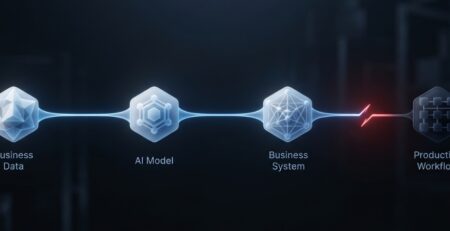
Every enterprise leader looking at AI vendors these days is kind of hearing the same pitch over and over: plug in a model, hook a few systems together, and then boom, productivity climbs pretty fast. You’d think it’s that simple, right? But honestly, it’s a lot more uneven than that. The distance between a slick AI demo and a real production setup that can hold up once it meets your CRM integration, your compliance folks, and your old ERP integration, this is where most efforts stall, not because the tech is bad, but more because the plumbing and guardrails are less friendly than expected.
Choosing the wrong AI integration partner doesn’t just waste budget; it burns internal trust in AI initiatives for years. Technical AI knowledge alone doesn’t predict success. A partner can understand transformer architectures deeply and still fail to ship a workflow that respects your data governance rules or survives an API integration outage gracefully.
That’s why a structured evaluation matters more than some shiny, polished proposal deck. This piece sort of lays out a 12-point scorecard for comparing AI integration on the criteria that actually decide if a project ships, scales, and keeps running after the vendor team is already gone to the next client, or whatever.
What Does an AI Integration Partner Do?
An AI integration partners job isn’t really about building models; it’s more about attaching AI abilities to the systems your business already has running. So it’s mostly about getting AI outputs into APIs, databases , SaaS platforms, and internal tools that honestly were never made for AI, at least not back then.
Concretely, this work spans:
- Connecting AI models with existing business systems, from Salesforce to homegrown inventory databases i mean, it’s not just a link
- Trying to blend APIs, databases, SaaS platforms, and those internal tools we already have, without messing up what is currently working, because honestly it works for a reason.
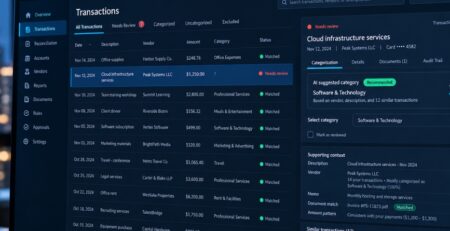
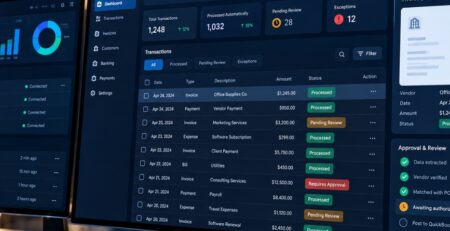
- Also, building AI powered workflows and automation that can trigger actual operations, not only chat replies, as something real happens after. Like approvals or updates in the backend
- Managing deployment security monitoring and the ongoing improvements that keep an integration reliable for months after launch, even when people change processes around it
The distinction matters. A team that’s really top notch at prompt engineering might still look kinda mid at systems integration, and honestly it’s that integration work that ends up deciding if the project actually delivers real business value or just stays on paper.
Before You Evaluate AI Integration Companies
Before comparing vendors, get internal clarity. A scorecard is only useful if you know what you’re scoring against.
First, define the business problem you’re actually trying to fix, not the fluffy “we need AI” thing, but the real bottleneck, or the recurring cost center that’s been eating time and money. Then work out what specific systems and day to day applications have to talk to each other, and what data integration the AI can realistically use without turning into wishful thinking. Next, get very clear on the expected outcomes, the timeline in weeks, and the budget as an actual range, not vague vibes. Also separate what’s essential deal breakers from what would be nice to have, like extra insights or nicer dashboards, but not required for the pilot to work, or for leadership to sign off.
Skipping this step is how companies end up choosing a partner based on the flashiest demo rather than the best fit for their actual environment.
The 12 Point AI Integration Partner Scorecard
1. Relevant AI Integration Experience
Look for experience with real AI integration projects, not just AI experimentation. Similar business use cases or comparable integration complexity matter more than industry overlap. Ask for case studies or references from prior work; vague claims of “AI expertise” without shippable evidence are a warning sign.
2. Understanding of Your Business Requirements
A strong partner understands your workflows before recommending technology. Watch for vendors who focus on business outcomes rather than adding AI capabilities simply because they’re available. If a partner proposes a solution before fully understanding your problem, that’s a sequencing issue worth flagging.
3. Integration and API Expertise
This is the technical core of the work. I’ve had experience with REST APIs and webhooks and also using SDKs and third party platforms, basically, the whole stack. And I’m pretty comfortable working across modern cloud native setups where everything is API-first, but also with older infrastructure that, honestly, wasn’t designed for this kind of interface; it feels more finicky sometimes.
4. AI Model and Platform Expertise
The right partner tends to pick models around your real use case, not just one “favorite” provider. Be a little wary of vendors who get stuck in one model family no matter how it fits, because that is often more about convenience than good judgment, even if it sounds smooth.
5. Data Integration Capabilities
AI is only as helpful as the data it can actually reach, like it or not. You should look at how capable the partner is in AI consulting with things such as databases, document stores, CRMs, ERPs, and other information sources, and also how they plan their data preparation, retrieval, data syncing, and access rules. In other words, what’s their approach to get the stuff ready, fetch it back, keep it in step, and control who can see what.
6. Security and Access Control
This criterion deserves weight beyond a single checkbox. Review authentication and authorization practices, how sensitive information is handled, and whether role based permissions govern what actions the AI is allowed to take autonomously.
7. Architecture and Scalability
Ask yourself how the proposed architecture handles growth in people, data volume, and day to day workload. I mean, integrations that run fine in a pilot but then turn into something unmaintainable once it hits scale are a pretty common failure mode. And yes, it’s also costly, not just annoying or slow.
8. Workflow and Automation Expertise
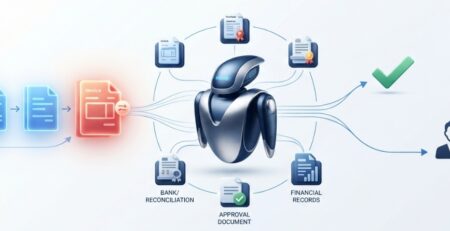
Assess whether the partner can link AI outputs to actual business moves, not only spit out text. You want to see background with multi stage, cross platform workflow automation, and also good judgement in when to insert human checks, especially where a decision has real stakes or could cause problems.
9. Testing and Reliability
You should ask, pretty directly, how they test the AI outputs and the whole system integrations, like what they do before any real launch. Also ask what happens when an API fails, when the model returns something wrong or weird, or when an AI integration service goes temporarily unavailable. I mean, strong logging and error-handling processes are basically non-negotiable for production reliability; if they don’t have solid steps in place, that’s a problem.
10. Implementation Approach
A credible partner has a pretty clear way of doing things, like discovery and then planning, after that development, testing, and the actual deployment. I’d go for partners who talk about phased implementation instead of those trying to build it all at once, because staged rollouts make issues show up earlier and, usually, with less cost.
11. Communication and Transparency
Technical choices should be laid out so your team can actually act on them not hidden behind a wall of jargon or too much gloss. Responsibilities need to be spelled out clearly, plus what you’ll deliver, and when, all set before the work starts. Milestones should be agreed upfront rather than sort of implied later. Also, limitations and risks should be brought up openly and early, instead of getting smoothed over during the sales process.
12. Post Launch Support and Optimization
Launch is kind of the beginning, not exactly the finish line. I mean, take a look at how the partner keeps tabs on integrations after the deployment, like what they watch and when. Also, see how they deal with fixes once APIs, models, and whole business systems start to shift, evolve, or get reworked. Finally, how do they keep driving ongoing performance improvements using real usage data, not just assumptions, because that part matters.
How to Score Potential AI Integration Partners
Apply a simple 1to5 rating to each of the 12 criteria:
- 1 — Poor or no demonstrated capability
- 2 — Limited capability
- 3 — Meets basic requirements
- 4 — Strong capability
- 5 — Excellent capability with proven experience
Scoring each vendor across the very same 12 criteria makes the comparison more objective, like not only depending on how polished a proposal seems, or how good the sales presentation turns out to look. It’s a bit more even, and less about the shine at the end.
Red Flags to Watch for When Choosing an AI Integration Partner
Certain patterns should raise immediate concern:
- Recommending technology before understanding requirements
- Promising unrealistic AI capabilities
- No clear approach to data security
- Certain patterns should raise immediate concern, especially vendors who can’t speak candidly about common AI system integration challenges when you ask
- No testing or failure-handling strategy
- Unclear project ownership or deliverables
- No plan for maintaining the integration after launch
Any one of these is worth a direct follow-up question. Two or more should factor heavily into your decision.
Questions to Ask an AI Integration Partner Before Hiring
Bring these directly into vendor conversations:
- Tell us about an AI integration you’ve deployed into production.
- How will you integrate AI with our current systems?
- What data will the AI need access to?
- How will permissions and sensitive data be controlled?
- How do you test AI output quality?
- What happens when the AI, model provider, or API fails?
- How will the system be monitored after deployment?
- What will ongoing model and infrastructure costs look like?
- Who owns the code, prompts, workflows, and documentation?
- How difficult would it be to change model providers later?
- What does your handover process include?
- Which KPI will determine whether the project succeeded?
How E2ESP Approaches AI Integration Projects
- Business workflow first: We first identify the operational problem, systems involved, required data, and measurable outcome.
- Integration architecture: We map APIs, databases, applications, permissions, and workflow dependencies before implementation.
- Managed AI access: Access and actions of the AI agents are confined only to the system access required for work completion.
- Testing and dependability: Connecting systems are tested for output quality, failures with API, edge cases, retries, and triggering the human escalation process.
- Monitoring during production: The workflow provides for monitoring and logging, rather than adding these measures post-launch.
- Documentation and handover: The implementation should remain understandable and maintainable after deployment.
Choosing With Confidence
The best AI integration partner gets the whole picture on AI, APIs, data, the day to day business workflows, security, and system architecture, not like it’s just a bunch of separate skills slapped together. You should evaluate vendors the same way every time, with some kind of structured framework, rather than picking whoever has the cheapest number or the loudest AI promises in the room.
Use the 12 point scorecard to help you spot the partner that matches what you need right now, and also that can stretch with you as your long term integration requirements keep growing.